
Updating the UKs Graded Scrambling System?
Published on 22 January 2026
Scrambling has become one of the ways I most enjoy moving through the mountains, and it's also something I see more and more people drawn towards. For many walkers, scrambling feels like the natural step beyond paths and into more adventurous ground. Routes described as Grade 1 scrambles are often presented as the obvious starting point.
But in my experience, the way Grade 1 scrambling is currently described in the UK does not always match the reality people meet on the hill. I don't believe this is because the grading system is broken or outdated. The problem is more subtle than that.
Grade 1 tells you something about technical difficulty, but it often tells you very little about how serious a route might feel once you're committed to it.
Over the years, I've noticed the same pattern repeating itself. Walkers set off expecting “easy scrambling” and instead find themselves dealing with sustained exposure, awkward down-climbing, or long sections where retreat is no longer straightforward.
The issue isn't that these routes are unsafe or inappropriate. It's that the information people use to choose them doesn't always reflect the experience they're about to have. In the current system, routes like Striding Edge, Sharp Edge, Jack's Rake, and Crib Goch are often discussed within the same broad Grade 1 category. Technically, that might make sense but experientially, I don't think it does.
Striding Edge is narrow and exposed, but it offers choice, frequent pauses, and relatively obvious ways off if needed. For many people, it's an exhilarating first scramble. Crib Goch, on the other hand, is sustained, committing, and psychologically demanding from start to finish. The moves themselves aren't hard, but the consequences of a slip are very real, and once you're on it, your options are limited.
Jack's Rake introduces another layer again. In dry conditions it can feel straightforward, but it's long, awkward to reverse, and becomes extremely serious if anything changes. None of this is well captured by a single grade.
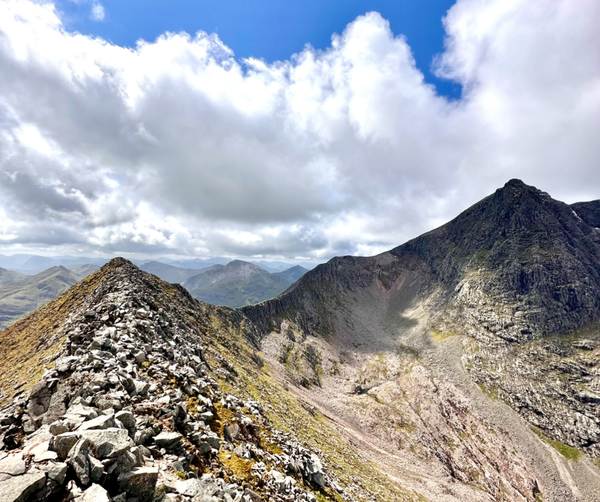
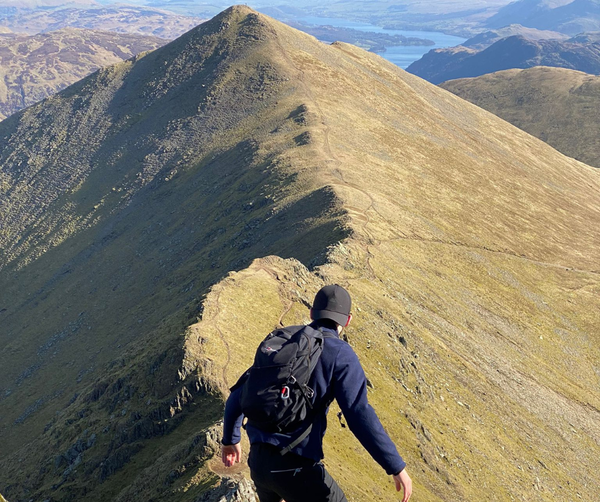
Most of the difficulties I see on scrambles don't come from people being unable to move over rock. They come from people being mentally overwhelmed by exposure or by the realisation that backing off isn't as easy as they assumed. Exposure affects people very differently, some thrive on it whereas others discover, often too late, that narrow ridges and steep drops challenge them more than they expected. Commitment compounds this.
Once retreat becomes complex or impractical, hesitation quickly turns into stress. In my view, this is where the current grading system falls short. It describes the moves, but not the mindset required to deal with the terrain.
Although the Lake District is often where these conversations happen, I don't see this as a regional issue. The same mismatch between expectation and reality exists across the UK. Snowdonia, in particular, offers classic examples where technically easy scrambling sits alongside very serious exposure.
Crib Goch is the obvious case, but it's far from unique. I've seen the same uncertainty and loss of confidence play out on scrambles across England and Wales.
This suggests to me that the issue lies not with specific routes, but with how we communicate seriousness.
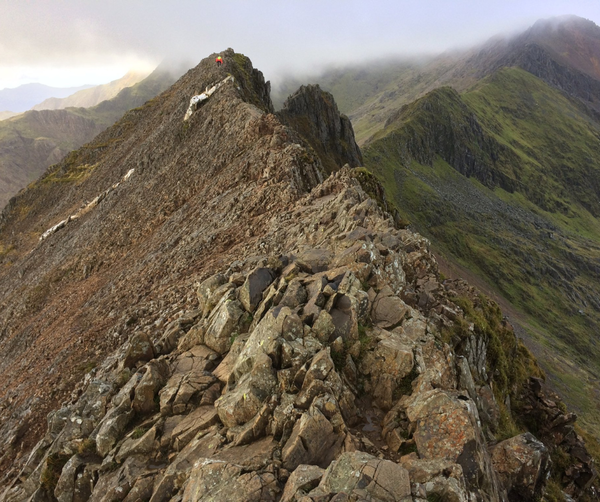
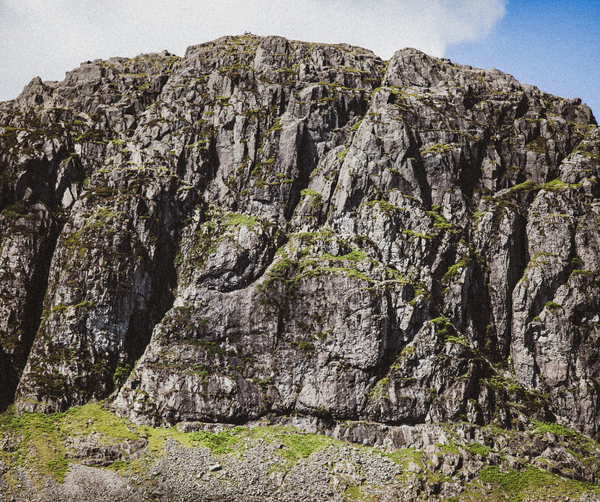
Rather than changing the existing scrambling grades, I believe there's value in adding more information to them, particularly at Grade 1, where the range of experience is widest.
Personally, I think a simple 1A, 1B, 1C sub-grading would go a long way. Not to redefine difficulty, but to flag how exposed and committing a route is likely to feel. In my mind, this would help explain why some Grade 1 scrambles feel like a natural extension of walking, while others feel like a serious mountaineering undertaking despite the lack of technical difficulty.
When I think about Grade 1A scrambles, I picture routes where hands are needed occasionally, exposure is limited, and you can step away or retreat easily if needed. These are ideal for people finding their feet with scrambling.
Grade 1B sits in the middle. The scrambling is more sustained, exposure becomes a real factor, and retreat starts to require thought rather than instinct. This is often where people begin to understand that scrambling is as much mental as it is physical.
Grade 1C, for me, describes routes that are technically straightforward but psychologically serious. Exposure is continuous, escape options are limited, and mistakes would have serious consequences. These routes demand confidence, composure, and experience, even though the moves themselves aren't difficult.
Under this lens, it becomes much easier to explain why Striding Edge, Sharp Edge, Jack's Rake, and Crib Goch don't belong in the same experiential box.
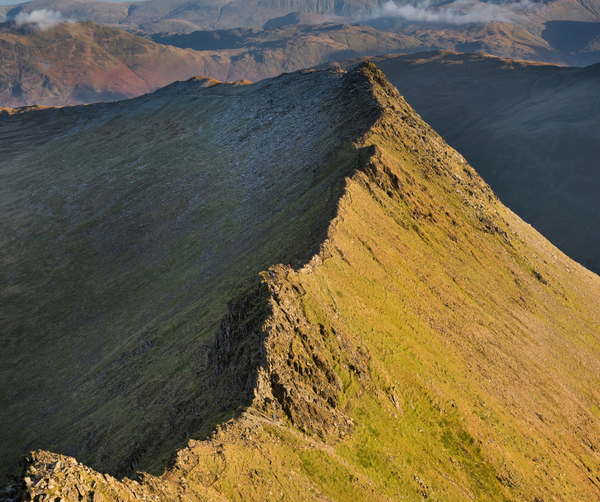
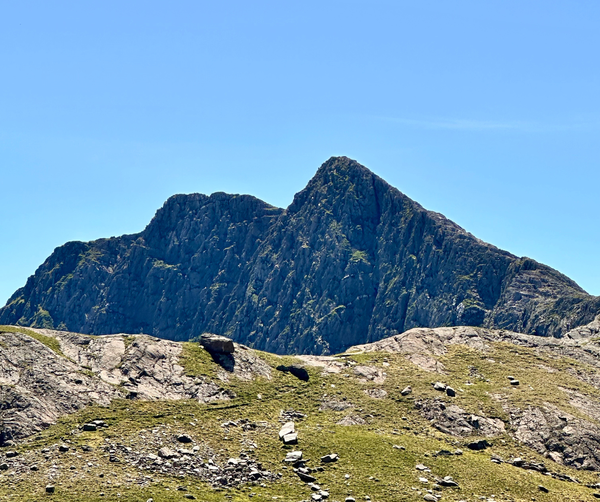
I want to be clear: this isn't about discouraging people from tackling classic scrambles, quite the opposite. I think people enjoy scrambling far more when they choose routes that match their confidence on the day. When expectations are honest, exposure feels exciting rather than alarming, and commitment feels deliberate rather than accidental. Better information supports better days out.
The UK has exceptional scrambling terrain, and Grade 1 scrambles are often where people fall in love with moving over rock. But not all Grade 1 routes feel the same, and I think we do people a disservice by pretending they do. In my opinion, adding clearer language around exposure and commitment would improve understanding without limiting freedom. It wouldn't make the mountains safer by dilution, it would make them safer by honesty.
And that, to me, feels like a conversation worth having!
Testimonials
We love guiding people on their adventures and making sure they have the best experience. It's so lovely when we get amazing feedback.

Promoting Confidence Outdoors