
How To Build Mountain Fitness for Hiking
Published on 1 May 2025
Hiking in the Lake District is an unforgettable experience, but to fully enjoy the fells and valleys you need to be fit for mountain walking. Building mountain fitness is not just about being able to walk long distances. It is about preparing your body for steep ascents, uneven terrain, and the physical demands of full day hikes in the mountains. Whether you are planning a day on Helvellyn, a ridge walk along Catbells, or exploring the hidden valleys, having the right level of mountain fitness makes every step easier and more enjoyable.
A great place to start is by increasing the frequency and intensity of your walks. Regular long walks on hilly terrain mimic the challenges of Lake District hikes. Gradually adding distance and elevation will build endurance and strengthen your legs, giving you the power to climb and descend comfortably. Hill walking or stair climbing at home can also prepare your body for the slopes you will encounter. These activities improve cardiovascular fitness, helping you maintain energy over long periods on the fells.

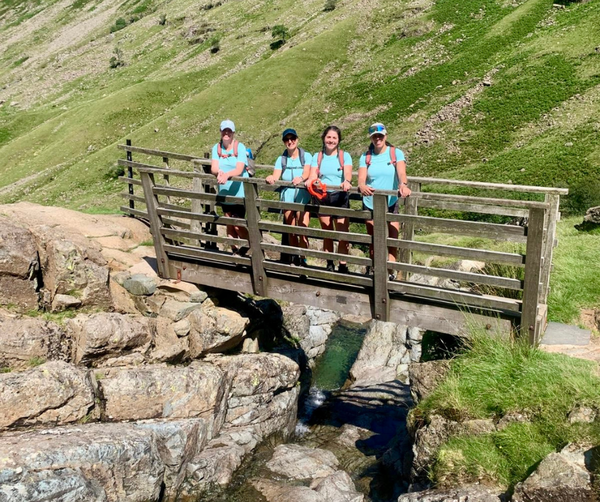
Strength training is another important part of building mountain fitness. Exercises that target your legs, core, and back are essential for walking on uneven trails. Squats, lunges, and step ups develop leg strength, while core exercises improve balance and stability. A strong back and shoulders make carrying a backpack on long routes more comfortable. By combining strength training with regular walking, you create a solid foundation that allows you to tackle challenging Lake District trails without strain.
Endurance training should be part of your routine too. Activities like running, cycling, or swimming that elevate your heart rate for sustained periods will help your body cope with the demands of a full day in the mountains. Endurance improves stamina, allowing you to cover longer distances and higher elevations without fatigue. When combined with strength and flexibility work, endurance training ensures your body is ready for both the climbs and descents of Lake District hikes.
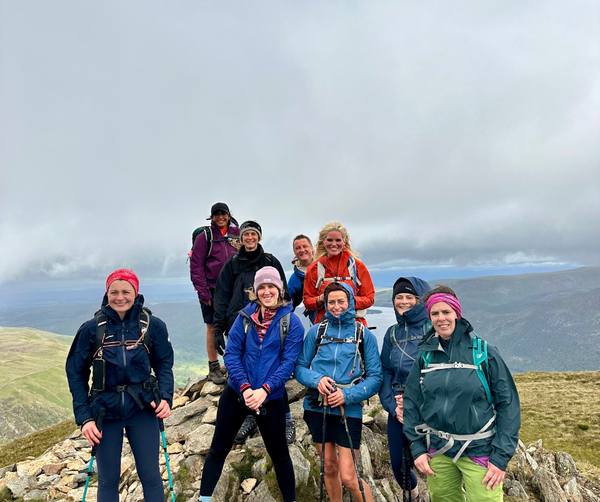
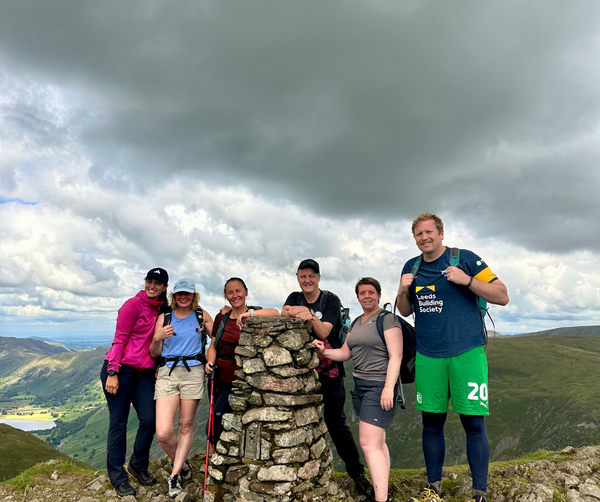
Flexibility and mobility are often overlooked but are crucial for mountain walking. Stretching after exercise and incorporating yoga or mobility sessions helps prevent injuries. Flexible joints and muscles make it easier to navigate rocky paths, cross streams, and maintain balance on uneven ground. Mountain fitness is about building resilience and adaptability as much as strength and stamina.
Finally, practice hiking with a backpack loaded with the gear you plan to take on your walks. Gradually increasing the weight conditions your body to carry essentials comfortably, from water and snacks to waterproof clothing. Being used to the load will make long routes such as Striding Edge or the Fairfield Horseshoe more enjoyable and less tiring.
Developing mountain fitness for the Lake District takes time, but consistent training pays off. Walking regularly, building leg and core strength, improving endurance, and practicing with a loaded backpack all contribute to safer and more rewarding hikes. With the right preparation, every Lake District trail can be approached with confidence, allowing you to fully enjoy the dramatic landscapes, tranquil valleys, and breathtaking summits the region has to offer.
Testimonials
We love guiding people on their adventures and making sure they have the best experience. It's so lovely when we get amazing feedback.

Promoting Confidence Outdoors